How To Tell If a Pothole Damaged Your Car | Van's Tire Pros
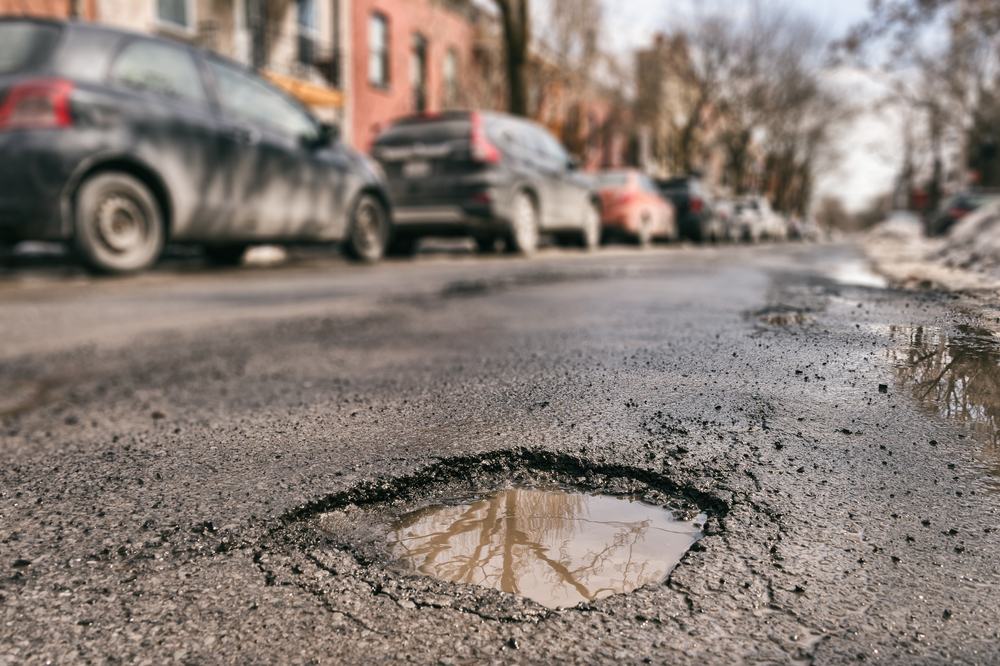
Anyone who drives in Northeast Ohio knows the truth: potholes aren’t just an inconvenience—they’re practically a season of their own. After a long winter, the roads around here can feel like an obstacle course, and one wrong hit can leave your vehicle feeling a little “off.” So, if you’re wondering if a pothole damages your car in ways that aren’t immediately obvious, just know, it happens more often than most people think.
So let’s break it down. What actually gets damaged when you hit a pothole? What signs should you look for afterward? And why is it so important to get things checked out sooner rather than later?
Key Takeaways
- Hitting potholes can damage tires, wheels, suspension, alignment, and steering components.
- Signs of damage include vibrations, pulling, noises, warning lights, and uneven tire wear.
- Even small potholes can cause big problems if hit at the wrong angle or speed.
- Getting your vehicle inspected early prevents more expensive repairs later.
- Van’s Tire Pro can diagnose whether a pothole has damaged your car and recommend the right repairs.
How Potholes Cause Damage
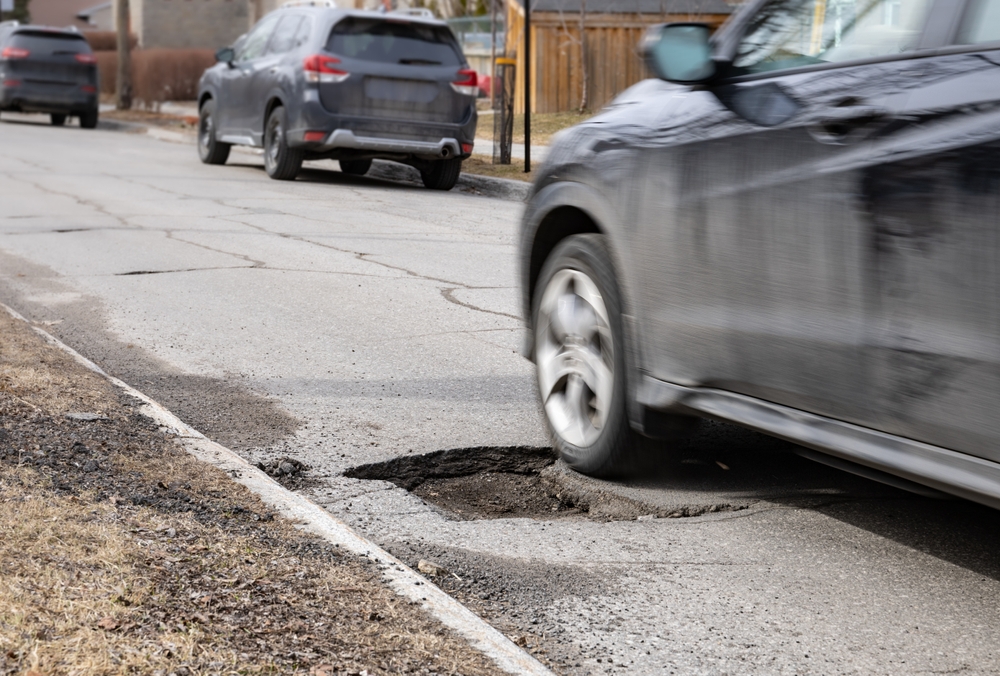
A pothole might look harmless, but the impact can be surprisingly harsh. When your tire drops into a hole and slams against the opposite edge, the force shoots through your wheel, suspension, and steering components. Even a quick jolt can knock things out of alignment or bend parts that are supposed to stay perfectly straight.
Sometimes the damage is obvious—like a flat tire or a cracked wheel. Other times, it’s subtle at first but gets worse the longer you drive. That’s why paying attention to how your vehicle feels after a pothole is so important.
What Can Get Damaged?
Here’s a quick look at the most common areas affected by potholes:
|
Component |
What Can Happen |
Why It Matters |
|
Tires |
Bubbles, punctures, and sidewall damage |
Can lead to sudden tire failure |
|
Wheels |
Bends, cracks, warping |
Causes vibration and air leaks |
|
Alignment |
Pulling left/right, uneven tire wear |
Reduces control and shortens tire life |
|
Suspension |
Broken or worn shocks, struts, or control arms |
Makes the ride rough and unsafe |
|
Steering |
Loose or stiff steering response |
Affects handling and stability |
|
Exhaust |
Scrapes or dents from deep potholes |
Can cause leaks or loud noises |
A pothole doesn’t have to be huge to cause issues. Even a medium‐sized one can do damage if you hit it at the wrong angle or speed.
Signs Your Car Might Be Damaged
Sometimes you feel the impact immediately. Other times, the signs show up slowly over the next few days. Here are the biggest red flags to watch for:
1. Your Car Pulls to One Side
If your steering wheel suddenly feels crooked or the car drifts left or right, your alignment likely took a hit. This is one of the most common pothole‐related problems.
2. You Notice a Vibration
A bent wheel or damaged tire can cause shaking—especially at higher speeds. If the vibration gets worse the faster you go, it’s worth getting checked out.
3. Your Tire Looks “Off”
Bulges, bubbles, or uneven wear patterns are all signs of internal tire damage. A bubble, in particular, is dangerous because it can burst without warning.
4. Strange Noises Start Appearing
Clunking, rattling, or squeaking after hitting a pothole usually points to suspension or steering damage. These noises rarely fix themselves.
5. Your Ride Feels Rougher
If your car suddenly feels bouncy or unstable, your shocks or struts may be damaged. Suspension issues tend to get worse quickly.
6. A Warning Light Comes On
Modern vehicles are sensitive. A pothole impact can trigger tire pressure warnings, traction control alerts, or even steering‐related lights.
Why Getting Service Matters
It’s tempting to shrug off a pothole hit—especially when the car still seems drivable. But ignoring the early signs can lead to bigger, more expensive problems down the road.
Here’s why getting your vehicle checked at Van’s Tire Pro is worth it:
- Safety first. Damage to steering, suspension, or tires can affect your ability to control the vehicle.
- Preventing further wear. Misalignment or bent components can quickly chew through tires.
- Saving money long‐term. Fixing a small issue now is always cheaper than replacing multiple parts later.
- Peace of mind. You shouldn’t have to wonder whether your car is safe after hitting a pothole.
Our team sees pothole‐related damage every single week—especially during freeze‐thaw season in Northeast Ohio. A quick inspection can tell you exactly what’s going on and what needs attention.

Don’t Ignore the Signs
Potholes are unavoidable around here, but the damage they cause doesn’t have to be. Paying attention to how your vehicle feels after a hard hit can save you from bigger headaches later. And if something seems off, Van’s Tire Pro is always here to help get things back to normal.
FAQ
Can a pothole damage my car even if the tire didn’t go flat?
Absolutely. Many pothole issues—like alignment problems or bent wheels—don’t cause an immediate flat.
How soon should I get my car checked after hitting a pothole?
If you notice any changes in how the vehicle drives, get it inspected as soon as possible.
Why does my steering wheel shake after hitting a pothole?
A bent wheel, damaged tire, or suspension issue can cause vibration.
Can pothole damage get worse over time?
Yes. Misalignment, worn suspension parts, and tire damage all worsen the longer you drive.
Does pothole damage always show up right away?
Not always. Some symptoms develop over days or weeks, especially uneven tire wear or subtle alignment issues.