Why is my TPMS Light Blinking?
Why Is My Tire Pressure Light Blinking? Understanding the Flashing TPMS Warning Light
If you’ve ever started your car and noticed the tire pressure light blinking at you, you’re not alone. Drivers ask about this all the time at Van’s Tire Pro, and it’s one of those warnings that can feel a little vague until someone breaks it down. After all, a light that flashes, then stays solid, then turns off—what’s it trying to tell you? The good news is that once you understand what your TPMS system is doing, the whole thing makes a lot more sense.
Key Takeaways
- A blinking TPMS light usually means the system can’t read your tire pressure correctly.
- A solid light typically indicates low tire pressure in one or more tires.
- Sensor failure, cold weather, or system malfunctions can all trigger a flashing TPMS warning.
- Ignoring the warning can lead to unsafe driving conditions and tire damage.
- Van’s Tire Pro can quickly and accurately diagnose and repair TPMS issues.
What Exactly Is the TPMS Light?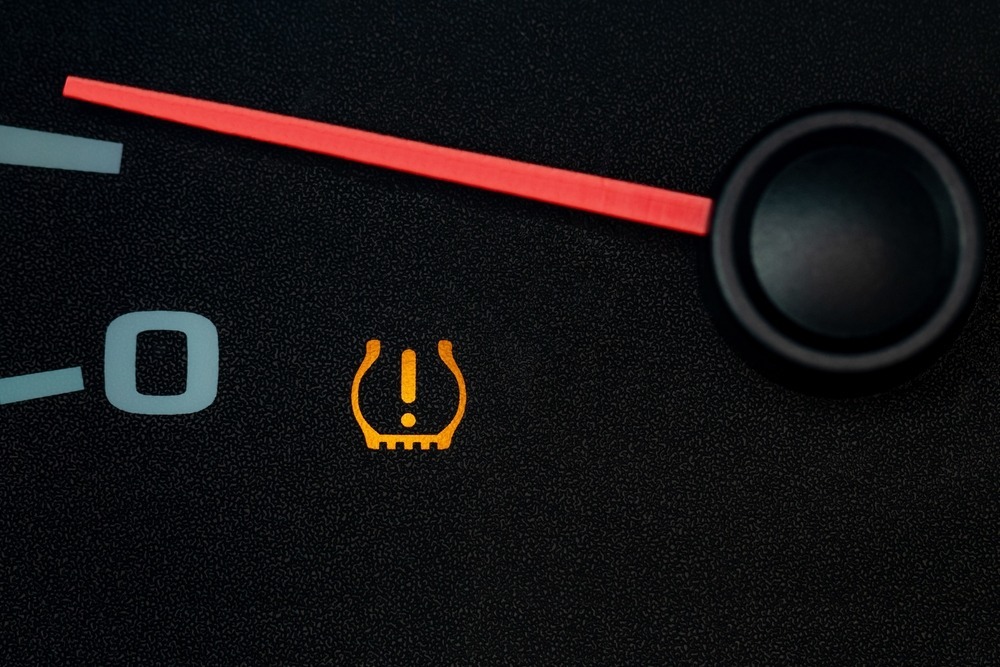
The Tire Pressure Monitoring System (TPMS) is designed to monitor tire pressure. When everything’s working correctly, it quietly monitors your tire pressure in the background. But when something’s off—low pressure, a sensor issue, or a system malfunction—it alerts you through that dashboard symbol that looks like a horseshoe with an exclamation point.
A solid light usually indicates low tire pressure. A blinking or flashing light? That’s the system’s way of saying, “Hey, something’s wrong with the sensors or the system itself.”
And that’s where the real questions begin.
Why Is My Tire Pressure Light Blinking?
A flashing tire pressure light is different from a solid one. When drivers ask, “Why is my tire pressure light blinking?”, the short answer is: the system isn’t able to read your tire pressure correctly. But the long answer is a bit more helpful.
Here are the most common reasons the light flashes:
1. A TPMS Sensor Is Failing
Each tire has a small sensor inside the wheel that measures air pressure. These sensors run on tiny batteries that eventually wear out. When they do, the system can’t get a proper reading, so the light flashes for about a minute and then stays on.
2. The System Needs to Be Recalibrated
If you’ve recently had new tires installed, rotated, or repaired, the TPMS system may need to be reset. Until it’s recalibrated, it may flash because it’s not receiving the expected data.
3. Cold Weather Is Messing With the Readings
A sudden temperature drop can cause tire pressure to fall quickly. Sometimes the system gets confused during extreme cold snaps and flashes before settling into a solid warning light.
4. A Sensor Was Damaged During Service
It doesn’t happen often, but TPMS sensors can get bumped or cracked during tire changes or repairs. When that happens, the system can’t communicate with the sensor.
5. There’s a System Malfunction
Like any electronic system, TPMS modules can fail. Wiring issues, corrosion, or internal faults can all trigger a blinking light.
What About a Solid Tire Pressure Light?
A solid tire pressure light is usually the simpler of the two warnings. One or more tires are actually low on air. This could be caused by:
- A slow leak
- A puncture
- Seasonal temperature changes
- Normal air loss over time
If the light stays solid after filling your tires, that’s when the blinking light and solid light start to overlap—and that’s when it’s time to have the system checked.

Why You Shouldn’t Ignore a Flashing TPMS Light
It’s easy to shrug off a blinking light, especially if the car still feels fine. But here’s the thing: your TPMS is a safety system. When it’s not working, you lose the early warning that helps prevent:
- Blowouts
- Uneven tire wear
- Poor fuel economy
- Reduced handling and braking performance
And let’s be honest—no one wants to deal with a flat on the side of the road when it could’ve been avoided.
When the light flashes, it’s the system’s way of saying it can’t protect you the way it’s supposed to. That’s why having it checked at Van’s Tire Pro is always the smart move. A quick inspection can tell you whether it’s a simple reset, a sensor replacement, or something more involved.
How Van’s Tire Pro Can Help
Our technicians work with TPMS systems every day, so diagnosing a flashing tire pressure light is second nature. We can test each sensor, check the module, inspect the tires, and get everything communicating the way it should. Most fixes are quick, and once the system is back online, you’ll have peace of mind knowing your tires are being monitored correctly again.
Check Your Tire Pressure Light With the Experts!
A blinking TPMS light isn’t something to panic about, but it’s also not something to ignore. Whether it’s a failing sensor, a system glitch, or just a recalibration issue, the warning is there for a reason. Understanding what the light means—and knowing when to bring your vehicle in—helps keep you safer on the road and prevents bigger problems down the line.
Van’s Tire Pro is always here to help you sort out the warning lights, strange noises, and anything else your vehicle throws your way.
FAQ
Why is my tire pressure light blinking when my tires look fine?
A flashing light usually points to a sensor or system issue—not necessarily low pressure.
How long can I drive with a flashing TPMS light?
It’s best to get it checked soon. The system can’t warn you of low pressure while it’s malfunctioning.
Can cold weather cause the TPMS light to flash?
Yes. Sudden temperature drops can confuse the system or cause a rapid pressure drop.
Do TPMS sensors need to be replaced?
Eventually, yes. Most last 5–10 years before the internal battery dies.
Will the light reset on its own?
Sometimes. But if it keeps flashing or stays on, the system likely needs service.