How Do You Plug a Tire? | Van's Tire Pros
How to Plug a Tire: What You Need to Know
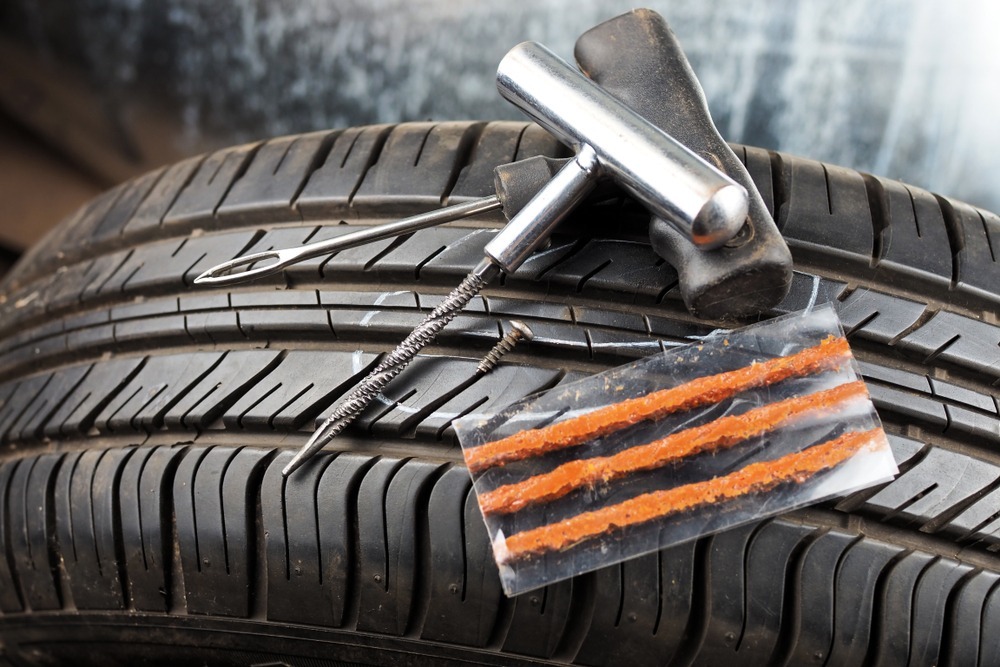
A hole in your tire always happens when you least expect it, but knowing how to plug a tire can turn a stressful situation into a quick fix. At Van’s Tire Pro, drivers around Northeast Ohio, often ask whether a tire plug is safe, how long it lasts, and when it’s the right solution. It’s a simple repair in the right circumstances, but, like anything with your vehicle, there are a few things to understand before jumping in. Ever had that moment where you hear a faint hissing sound and think, “Is that coming from my car?” You’re not alone.
Key Takeaways
- A tire plug can last a long time, but it is still considered a temporary repair.
- Plugs work only for small punctures in the tread—not the sidewall.
- A plug is quick and convenient, but a patch or combination repair is more durable.
- Tire condition, puncture size, and driving habits all affect plug longevity.
- Professional inspection ensures the repair is safe and reliable.
How Long Does a Tire Plug Last?
A properly installed tire plug can last for several months and sometimes even the tire's remaining life, but it’s not guaranteed to be permanent. It’s designed as a reliable, short‑term fix that gets you safely back on the road.
A tire plug works best when the puncture is small, clean, and located in the tread—not the sidewall. Weather, driving habits, and tire age all play a role in how long a plug holds. For example, someone who drives mostly highway miles on a newer tire will likely get more life out of a plug than someone navigating rough roads daily. While many drivers have gone thousands of miles on a plug, it’s still smart to have the tire inspected by a professional. A technician can confirm whether the repair is secure or if a patch—or a combination repair—would be safer. If you’re searching for a tire plug near Northeast Ohio, or need quick help in Ohio, Van’s Tire Pro can take a look and make sure the fix is solid.
Quick reasons a plug may not last as long:
- The puncture is larger than ¼ inch
- The tire is older or already worn
- The puncture is close to the shoulder or sidewall
How to Plug a Tire
Plugging a tire is straightforward when you have the right kit and the puncture is in a safe, repairable spot.
1. Find the puncture
- Look and listen for the leak; you might hear a faint hiss.
- If needed, spray soapy water on the tire and watch for bubbles to form.
2. Remove the object
- Use pliers to pull out the nail, screw, or debris causing the puncture.
- Do this with the vehicle in park and the parking brake set.
3. Prepare the puncture hole
- Use the reaming tool from the kit to clean and slightly widen the hole.
- Push it in and out a few times to rough up the rubber so the plug can grip.
4. Load the plug
- Thread a rubber plug strip through the eye of the insertion tool so it’s centered.
- If your kit includes rubber cement, lightly coat the plug.
5. Insert the plug
- Push the loaded insertion tool straight into the puncture until only a small amount of plug remains visible.
- This can take some force—that’s normal.
6. Remove the tool
- Quickly pull the insertion tool straight out, leaving the plug in the tire.
- The plug should stay wedged in place, forming a tight seal.
7. Trim the excess plug
- Use a razor blade or knife to cut the plug flush with the tread surface.
- Don’t cut too deep—just remove the extra material sticking out.
8. Reinflate the tire
- Inflate the tire to the recommended PSI listed on the door jamb or owner’s manual.
- Check again with soapy water to make sure no air bubbles are forming.
9. Test drive and monitor
- Drive a short distance and pay attention to how the vehicle feels.
- Recheck tire pressure after the drive to confirm the plug is holding.
When comparing a tire plug vs. a tire patch, the patch tends to be more durable, but the plug is faster and can be done roadside.

Factors That Affect Plugging Success
| Factor | Impact | Example | Explanation |
|---|---|---|---|
| Puncture Location | Determines repairability | Nail in the center tread | Safe to plug |
| Tire Age | Affects durability | Older tire with cracks | Plug may not hold |
| Puncture Size | Limits repair options | Large screw hole | May require a patch |
Is Plugging a Tire a Permanent Fix?
A tire plug is considered a temporary repair, even though many last a long time. It’s safe to drive on a plugged tire, but only if the puncture meets repair guidelines and the plug was installed correctly.
The biggest risk comes from relying on a plug when the tire actually needs a patch or a combination repair. A plug seals the outside of the tire, but it doesn’t reinforce the inner liner. That’s why shops often recommend a patch from the inside for a more complete fix. If the tire loses air again, vibrates, or feels unstable, it’s time to stop driving and have it checked. When you’re looking for a tire plug near Porter, IN, Van’s Tire Pro can inspect the damage and recommend the safest repair option.

What This Means for Your Tire Repair
Understanding how to plug a tire gives you confidence when the unexpected happens, but knowing when to rely on a professional matters just as much. Van’s Tire Pro in Northeast Ohio, can inspect the puncture, confirm whether a plug is safe, and recommend the best repair for long‑term peace of mind. Whether you’re dealing with a slow leak or searching for help with a tire plug near Northeast Ohio, the team is ready to get you rolling again.
If your tire needs attention or you’re unsure whether a plug is the right fix, scheduling a quick inspection is the easiest next step. Van’s Tire Pro is here to help keep your ride safe, reliable, and ready for the road.
FAQ
How do I know if my tire can be plugged?
If the puncture is in the tread, smaller than ¼ inch, and not near the sidewall, it’s usually plug‑eligible.
Is it safe to drive long distances on a plugged tire?
Yes, as long as the plug was installed correctly and the tire holds air, but it’s still smart to have it inspected.
What’s better: a tire plug or a tire patch?
A patch is more durable, but a plug is faster. Many shops use both together for the strongest repair.