How Do You Check Your Tire Tread? | Van's Tire Pros
How Do You Check Your Tire Tread?
Keeping an eye on your tire tread isn’t the most glamorous part of owning a vehicle, but it’s one of those simple habits that pays off every time you’re on the road. In Northeast Ohio, drivers deal with everything from heavy rain to winter slush, and the team at Van’s Tire Pro sees firsthand how much safer a vehicle feels when the tires are in good shape. That’s why checking your tread regularly matters—it’s quick, it’s easy, and it tells you a lot about your tires long before problems show up.

Key Takeaways
- Knowing how to check tire tread helps you stay ahead of safety issues.
- The tire tread penny test is a quick way to measure wear.
- What is a good tire tread depth? Anything above 4/32" is ideal for wet traction.
- Uneven wear, slipping, and visible wear bars are signs your tires need attention.
- When it’s time for replacements, you can get tires at Van’s Tire Pro for expert service.
Why Tire Tread Matters More Than Most Drivers Realize
Tire tread is what gives your vehicle grip. It channels water away, bites into snow, and helps your car stay planted when you brake or turn. When tread wears down, traction drops fast. That’s when stopping distances get longer, hydroplaning becomes more likely, and everyday driving starts to feel a little less predictable.
Most drivers don’t notice worn tread until the car starts slipping or sliding, but by then, the tires are already overdue for replacement. That’s why learning how to check tire tread is such a smart move. It’s one of the easiest ways to stay ahead of safety issues and avoid surprises on the road.
The Easiest Ways to Check Your Tire Tread
There are a few tried‑and‑true methods drivers use to check tread depth at home. None of them requires special tools, and they take less than a minute per tire.
1. The Penny Test
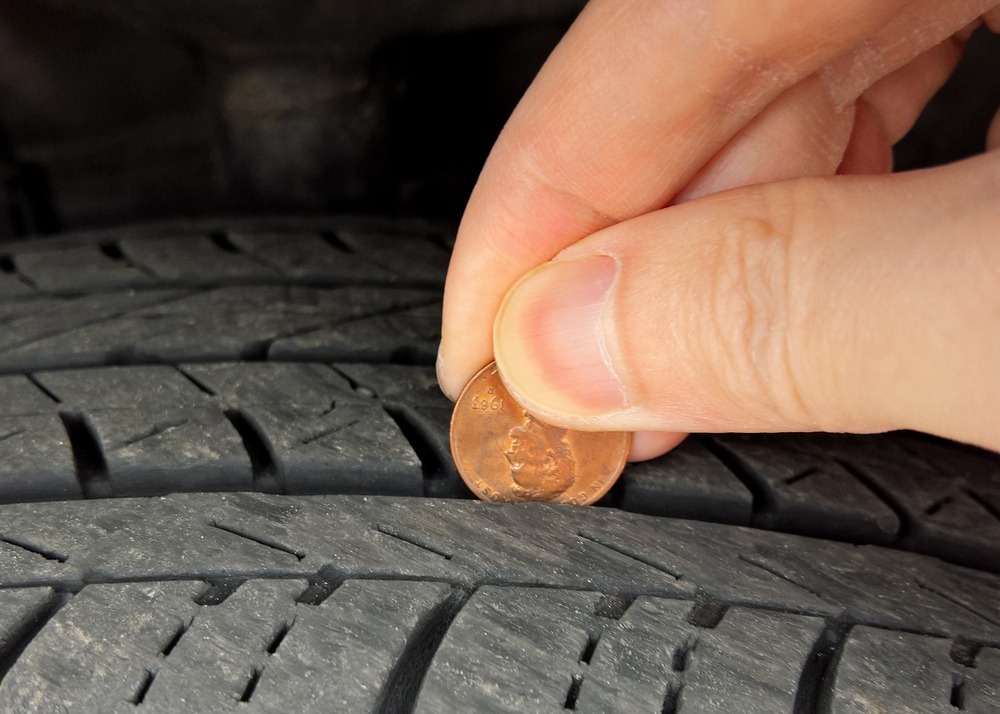
The classic tire tread penny test is still one of the quickest ways to get a rough idea of your tread depth. If you’ve ever wondered how to check tire tread with a penny, here’s how it works:
- Grab a penny and turn it so Lincoln’s head is upside down.
- Insert it into the tread groove.
- If you can see the top of Lincoln’s head, the tread is worn down to 2/32" or less.
At that point, the tire is considered legally worn out—and definitely unsafe in wet conditions. If Lincoln’s head is partially covered, you still have some life left, but it’s smart to keep an eye on it.
2. The Quarter Test
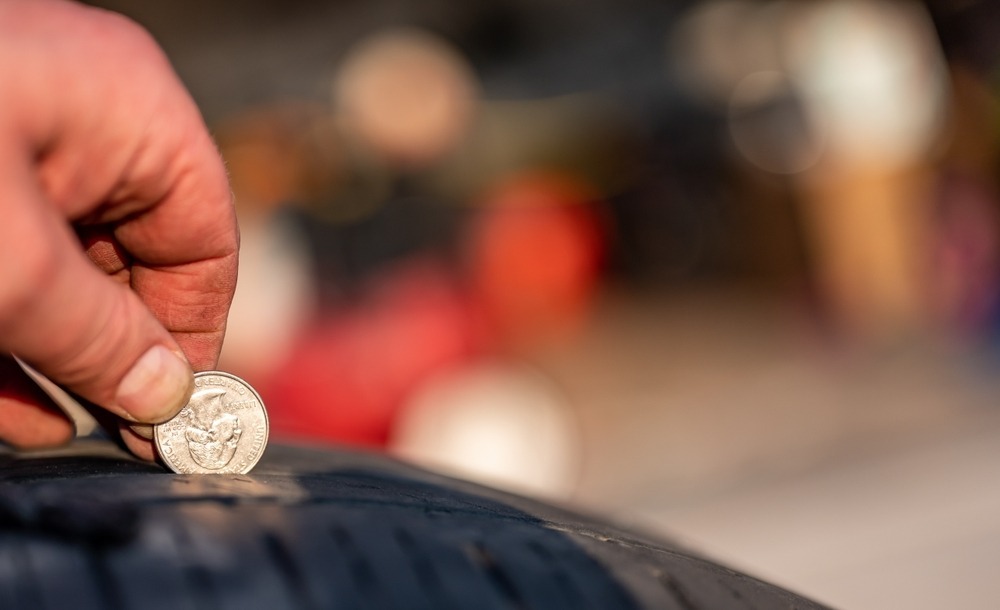
Some drivers prefer the quarter test because it gives a little more warning. Learning how to check tire tread with a quarter is just as simple:
- Turn Washington’s head upside down.
- Insert the quarter into the tread.
- If the top of his head is visible, your tread is below 4/32".
That’s the point where wet‑weather traction starts to drop noticeably. If you’re someone who drives a lot in rain or snow, this test gives you a better early indicator that it’s time to start planning for new tires.
3. Built‑In Tread Wear Bars
Every tire has small raised bars molded into the grooves. When the tread wears down to the same height as those bars, the tire has reached its minimum safe depth. It’s a simple visual cue, but many drivers overlook it.
4. A Tread Depth Gauge
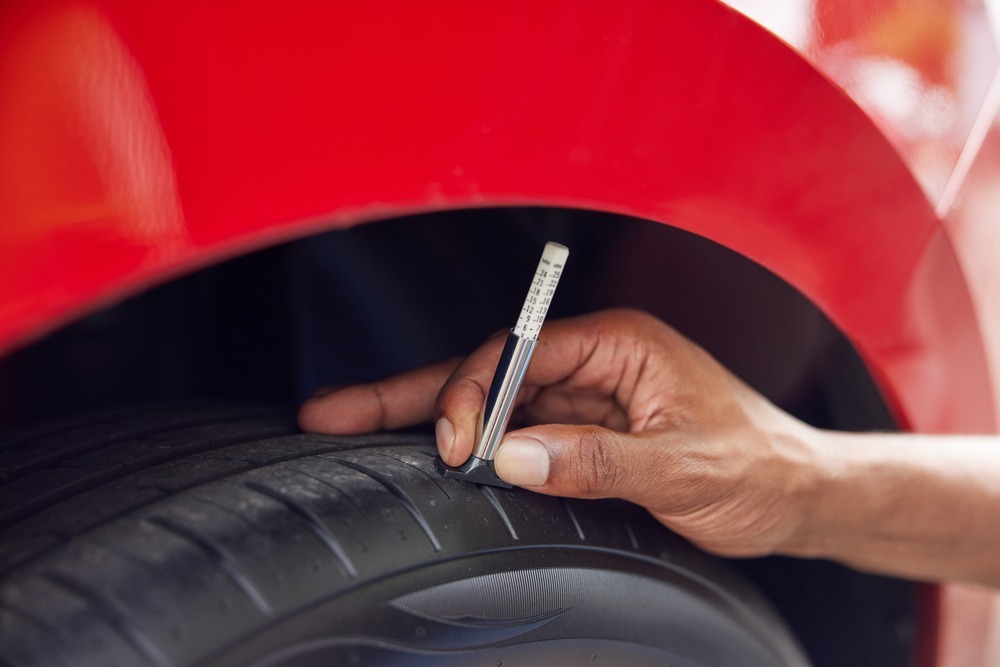
If you want a more precise reading, a tread depth gauge is inexpensive and easy to use. It gives you an exact measurement so you know whether your tires are wearing evenly or if one tire is losing tread faster than the others.
What Is a Good Tire Tread Depth?
Many drivers ask, “What is a good tire tread depth?” New tires usually start around 10/32" to 12/32", depending on the type. Once they reach 4/32", wet traction starts to decline. At 2/32", they’re considered worn out.
Here’s a quick way to think about it:
- 6/32" or more: Plenty of life left
- 4/32": Start planning for replacement
- 2/32": Replace immediately
If you’re unsure where your tires fall, the team at Van’s Tire Pro can measure them for you during any visit.
Signs Your Tire Tread Is Wearing Out
Even if you don’t measure tread depth often, your tires will usually give you hints that something’s not right. Some of the most common signs include:
- Longer stopping distances
- Slipping or spinning when accelerating
- Hydroplaning more easily in the rain
- Uneven tread patterns (cupping, feathering, or bald spots)
- Visible wear bars across the tread
If you notice any of these, it’s worth stopping by to have the tires inspected. Sometimes the issue is simple—like low air pressure or misalignment—but worn tread is often the culprit.
Why Checking Your Tread Regularly Matters
Tires wear gradually, so it’s easy to forget about them until something feels off. But checking your tread every month or two helps you:
- Catch uneven wear early
- Avoid blowouts
- Improve fuel efficiency
- Maintain better traction
- Stay safer in bad weather
And when the time comes to replace them, you can get tires at Van’s Tire Pro with confidence, knowing you’re choosing a shop that understands what local drivers need.
Tread on Safety
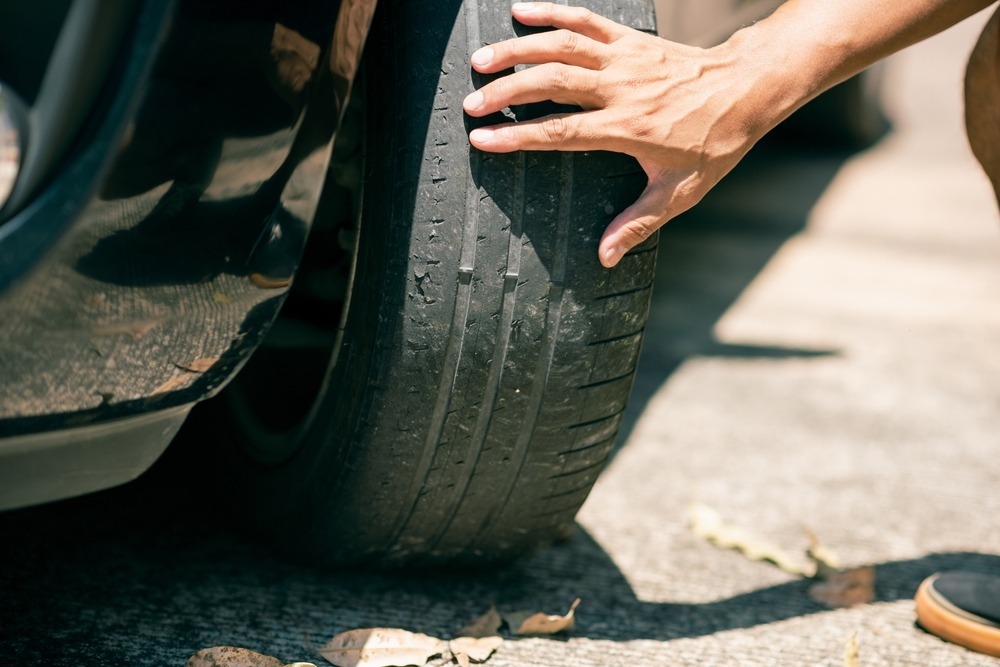
Checking your tire tread isn’t complicated, but it’s one of the most important things you can do to keep your vehicle safe. Whether you use a penny, a quarter, the built‑in wear bars, or a gauge, the goal is the same—making sure your tires can grip the road the way they’re supposed to. And if you ever have questions or want a professional opinion, the team at Van’s Tire Pro in Northeast Ohio is always ready to help.
FAQ
How often should I check my tire tread?
Every month or two is a good rule of thumb, especially before long trips or seasonal weather changes.
Is the penny test accurate?
It’s a quick estimate. For more precision, use a tread depth gauge or have a technician measure it.
Can a worn tread cause vibration?
Yes—uneven or cupped tread can create noticeable shaking while driving.
Do all tires wear at the same rate?
Not always. Alignment issues, driving habits, and tire pressure can cause uneven wear.
When should I replace my tires?
If your tread is at 2/32" or you’re noticing traction issues, it’s time to replace them.